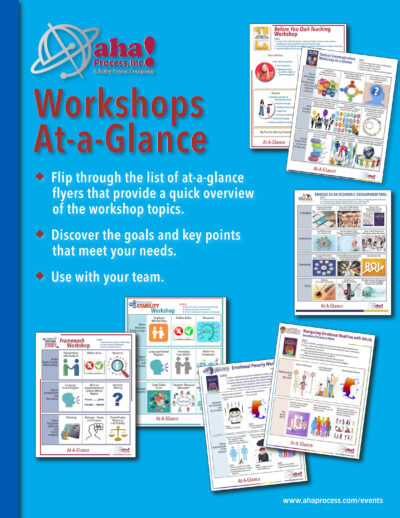
Workshops
EP100 – Emotional Poverty in All Demographics: How to Reduce Anger, Anxiety, and Violence in the Classroom
In this workshop, you will learn and practice many techniques/exercises that will help students/parents build emotional resources in school and at home.Length: Six hours, deliverable in one, three, or six sessions.Training Prerequisites: NoneContact: (800) 424-9484 | [email protected] evening on the news, there are multiple stories about violence and anger erupting. Workplace and school violence are increasingly a reality. Using a brain-based approach, this session looks at the underlying causes of anger, anxiety, and violence; how they develop; and the tools that can be used to change those responses. Emotions are processed 200 to 5,000 times faster than thought. To change behavior, the motivation for the behavior must be changed. This session will provide understandings on how that can be used with family, relationships, institutions, and oneself.The workshop:Provides understandings of origins of anger, anxiety, and avoidanceGives a language to talk about brain regulation, integration, and emotional competenceProvides tools for educators to address and reduce anger, anxiety, and avoidanceHelps educators manage the "classroom dance" that occurs between the educator and the studentsProvides the tools to motivate good behaviorIdentifies the differences in male and female emotional processingParticipation requires purchase of Emotional Poverty in All Demographics at the reduced price of $25."It was one [...]


EP102 – New Teachers Can…!
CONTACT US FOR AVAILABILITY. New Teachers Can…! Build resources Create positive learning environments Employ effective instructional and classroom management strategies Understand and deal effectively with students’ emotional and personal concerns Maintain parent–teacher relationships Drawing from the various works of Dr. Ruby Payne, this workshop provides insights and strategies that can pave the way for first-year teacher success. Six-hour, two-day, or intensive module approaches are available. The workshop is appropriate for new and transitioning teachers, mentors, and experienced teachers who are seeking a refresher of Payne’s research and experiences. Contact us if you would like customized follow-up. Length: Six hours, deliverable in one, three, or six sessions. Training Prerequisites: None Contact: (800) 424-9484 | [email protected]
EP200 – Emotional Poverty 2: Safer Students and Less-Stressed Teachers
In this workshop, you will learn and practice many techniques/exercises that will help students/parents build emotional resources in school and at home. Workshop Objectives Provide educators tools to read the emotional body language of students. Provide strategies for regulation of behavior from the prefrontal cortex. Identify key issues in the brain development of adolescents. Understand the hippocampus and its creation of stories that guide behavior and identity. Learn strategies to reduce adult stress and compassion fatigue. Use a brain-based approach to the emotional realities of parents and parenting. Length: Six hours, deliverable in one, three, or six sessions. Training Prerequisites: EP100 – Emotional Poverty Workshop Contact: (800) 424-9484 | [email protected] Has teaching ever felt more stressful? External pressures, environmental factors, previous experiences, fear, anger—all these and more create stress and tension in the classroom. Emotional distress interrupts and can harm—even destroy—effective teaching, learning, and emotional wellness in teachers and students. But how do these emotions develop in you and your students? The fact is many of us suffer from some form of emotional poverty. Think of it as an absence of emotional resilience or resources. Written for educators, not psychologists, Emotional Poverty, Volume 2 helps you understand and overcome emotional poverty so [...]

EP201 – Preventing School Shootings
The FBI indicates that 93% of the time, a mass shooter identifies a loss or perceived loss prior to the shooting. Ninety percent of mass school shooters commit the shooting in a school they have attended. This keynote outlines the emotional process that may occur as a person moves to violence and how to prevent the process from proceeding. The keynote will discuss the key components in the brain that are developed to address: (1) their emotional realities, (2) the emotional progression that occurs as they get closer to violence, (3) research done on mass shooters (93% are male loners), and (4) the ways in which schools and districts can interrupt that process from progressing. Length: Keynote, approximately two hours Training Prerequisites: None Contact: (800) 424-9484 | [email protected]
FW100 – A Framework for Understanding Poverty: 10 Actions to Educate Students
This workshop gives you in-depth information to help you understand class differences and 10 actions you can implement the next day in the classroom to achieve impact. It gives you strategies and understandings to reduce your own frustration and better serve your students and parents. Length: Six hours, deliverable in one, three, or six sessions. Training Prerequisites: none Contact: (800) 424-9484 | [email protected] Are you ready to make a real impact in your profession? Discover the keys to understanding poverty and empowering those affected by it with our on-site workshop! A Framework for Understanding Poverty will help you understand how to negotiate and understand the world of survival. Middle class understandings of poverty are often ill-suited for connecting with people in poverty. By adding this professional development to your skillset, you will gain in-depth information to help you understand how to better serve your students and their parents. Explore class differences and 10 actions you can implement in the classroom to improve the success of low-SES students. This workshop is based on Ruby Payne’s book A Framework for Understanding Poverty, which has sold close to two million copies. Teachers who participate in this training will: Use concrete instructional strategies [...]
FW101 – Before You Quit Teaching: Tools, Resources, and Hope for New Teachers in High-Poverty Classrooms
CONTACT US FOR AVAILABILITY. Will teaching ever be worth it? Bad news first: Teachers, especially new teachers, are often undervalued, underequipped, and unprepared for the reality of high-poverty classrooms. The result is frustration, fear, and a loss of idealism and enthusiasm, fatal flaws for someone facing 30 fourth-graders and a besieged principal every day. Hopelessness can set in fast. Before your teachers quit, realize this: Not only can they survive, they can experience the joy and satisfaction they expected when they first decided to teach. Besides, their students need them. Length: Six hours, deliverable in one, three, or six sessions. Training Prerequisites: none Contact: (800) 424-9484 | [email protected] Teachers who participate in this training will: Use calming strategies to help their students—and themselves! Better understand parents Learn to work with administrators they may not like Reduce discipline referrals Thrive even under adverse working conditions Based on bestselling author Ruby Payne's book of the same name, this workshop shows teachers that Payne was once where they are now. Her insights and solutions are at once personal and professional, and they will help guide teachers to the knowledge, resources, and mindsets they need to create a future story of success and [...]
FW105 – Research-Based Strategies
This workshop focused on serving under-resourced students by providing hands-on techniques that help you eliminate the achievement gap for all students. Length: Six hours, deliverable in one, three, or six sessions. Training Prerequisites: none Contact: (800) 424-9484 | [email protected] Serve under-resourced students with hands-on techniques that help you narrow and then close the achievement gap. Reduce planning time, improve effectiveness, and develop more immediate, reliable intervention strategies. Most importantly, employ best practices to address student challenges before they become overwhelming. Research-Based Strategies professional development provides strategies that can be integrated into any curriculum or program and will raise student achievement. Participants receive: 50+ strategies, their explanations, and relevant research Interventions that meet the needs of today’s under-resourced learners Student behavior chart, extensive references, and strategies categorized by academic, behavioral, and community concerns/challenges

FW110 – Tiered Instruction and Interventions
This workshop focuses on using tiered interventions and instruction in response to economic differences and a range of family resources. Length: Six hours Training Prerequisites: none Contact: (800) 424-9484 | [email protected] The systematic strategies demonstrated in the workshop illuminate our understanding, support diagnosis, and require minimal if any additional classroom instructional time. Participants will learn about giving and understanding tiered instructions, tiered interventions for language literacy, interventions for conceptual frames for long-term memory, tiered interventions for mathematical literacy, and negotiating school environments. Topics to be covered included patterns of thinking, mediation, input skills, mental models, planning, future stories, negotiation, and more. The three questions below support our understanding of effective tiered instruction, guiding educators to effectively differentiate instruction for all students, including under-resourced students. Q: Where does tiered instruction begin? A: With resource analysis Q: How are the needs of students from poverty addressed? A: With survival environment interventions Q: What creates patterns of thinking that direct tiered instruction? A: The relationship between time and who/what you know

FW125 – Working with African-American Boys: Strategies for Listening and Learning Together
This workshop discusses the Black experience and historical perceptions of African Americans in school systems with class distinctions. The workshop shares an overview of information from Boys in Crisis and includes issues of gender stereotyping and reflections on the school-to-prison pipeline. Training Prerequisites: none Contact: (800) 424-9484 | [email protected] This workshop discusses the Black experience and historical perceptions of African Americans in school systems with class distinctions. The workshop shares an overview of information from Boys in Crisis and includes issues of gender stereotyping and reflections on the school-to-prison pipeline. The workshop discusses the impact of shame and belonging as they relate to trauma and bonding and attachment, and it explores the implications for relationships and motivation. Another focus is guarding the HEARTS (health, education, assimilation, relationships, transformation, and significance) of African-American boys. The strategies and initiatives shared here will help your students with goal-setting and communication.

FW130 – Boys in Crisis: Why It Matters and What You Can Do About It
This workshop focuses on the "why" behind male behavior in schools and what schools can do to begin making school more "boy friendly." Training Prerequisites: none Contact: (800) 424-9484 | [email protected] Boys account for 85% of the discipline problems in schools. They also constitute the largest populations in special education, Title I, and those who have reading and writing problems. Boys are the ones who have committed the violent acts in America’s schools, and they are the most likely to drop out of school. Watch this one-minute video to learn more: This workshop focuses on the “why” behind male behavior in schools and what schools can do to begin making school more “boy friendly.” Issues that affect boys who come from poverty, as well as middle class, will be explored in this session. Parents can also benefit from this content in an evening presentation focused on creating well-adjusted boys at home and at school.

FW135 – Pre-K to Grade 2 – Preventive Discipline and Students out of Control
Behavior is an emotional response; it is not about logic. This workshop will provide very specific strategies to address the issues of young children who are out of control. Training Prerequisites: none What do we do when the student who is out of control is between four and seven years old? It’s hard to reason with a child who has limited vocabulary and little ability to tell us what is really going on in their mind. Behavior is an emotional response; it is not about logic. This workshop will provide very specific strategies for helping prevent disruptive behaviors and for what to do when one child occupies everyone’s time and energy. States are now making laws that prohibit the suspension of young students. We must become better at helping our younger students develop emotional stability. It can be done through focused activities that are fun and engaging while relevant to developing stronger social skills. We also share administrative structures that produce better coordination for containing behaviors—we get everyone on the same page. This workshop, usually lasting one day, is also offered in a two-day format. Day 1 is for administrators and focuses on what they can do to optimize staff [...]

FW140 – Pre-K to Grade 2 – Early Childhood Development
Cognitive skill development and the pursuant sense of competence and self-efficacy are primary predictors of behavior. Another is the attachment a child experiences with significant adults. The content of this workshop delves into research related to these two components, along with classroom strategies for addressing each. The strategies presented in this early childhood development workshop are valuable for all children from any background. According to educational researchers, however, they are especially critical for students from poverty. Topics include: Cognitive skill development Vocabulary development plan for preschool, primary, and elementary grades Tier I, II, and III vocabulary Generative vocabulary development Brief overview of Tucker Signing Strategies for Reading Benefits of sign language Engaging caregivers Eight essential cognitive skills Planning Focusing Controlling impulsivity Organization Sorting Directionality Considering two sources of information at once Visually transporting data Mental models for young children 10 characteristics of effective adult–child interactions Building relationships of mutual respect with parents
FW210 – Educating Students Experiencing Homelessness, Instability, and Disengagement
NEW WORKSHOP This workshop looks at what homelessness, instability, and disengagement do to learning and the strategies and understandings that are necessary to address those issues. The workshop covers a social cognitive framework that includes the role of the autonomic nervous system (ANS) in learning and how safety and belonging impact the prefrontal cortex. Multiple strategies will be given. Workshop topics include: How homelessness, instability, and disengagement reduce learning The role of the autonomic nervous system in learning, behavior, and well-being How the instability of resources, the demands of time, and the demands of the environment impact the ANS Tools to negotiate the abstract realities of school—planning, language, digital realities, Internet access, formal register, voices Strategies for calming students Strategies for school success How to build a wider community level of support

FW220 – Empowering Students in Survival Environments
Are you passionate about making a real difference in the lives of students facing homelessness, generational poverty, and the challenges of recent immigration? If so, our workshop is designed with you in mind. Join us for a transformative experience that equips you with the knowledge and strategies to support these resilient individuals on their educational journey. This workshop on students in survival environments, which focuses on homelessness, generational poverty, and recent immigrants, addresses a comprehensive agenda aimed at understanding and supporting individuals facing these challenges. Beginning with an exploration of the McKinney–Vento Act's definition of homelessness and the characteristics of survival environments, the workshop examines the impact on students' resources, including the issues of mobility, digital access, and paperwork. The workshop further examines the neurobiological effects of survival environments and explore their impact on learning, emotional state, and identity formation. Strategies for calming students and reducing social isolation are discussed. The workshop also examines the knowledge bases and processes used in survival environments and contrasts them with those needed for school, and it provides strategies to address related challenges. Additional topics include discipline and student engagement strategies, the role of bonding and attachment in discipline, and the influence of [...]

FW225 – Tucker Signing Strategies for Reading
This workshop provides participants with a powerful supplemental strategy for decoding. Training Prerequisites: none Contact: (800) 424-9484 | [email protected] Tucker Signing Strategies for Reading provides a powerful decoding strategy. Use it with any conventional reading program! Hand signs prompt associations between letters and the sounds they represent. The best part is that learners enjoy it—especially reluctant readers and those with learning disabilities. Readers see the letter, make the sign, and say the sound at the same time. This multisensory combination creates new readers by helping them achieve their first successes in decoding. Tucker Signing Strategies also gives the observer insight into what is happening in the reader’s mind. The strategies can be used with people of any age who read between kindergarten and third-grade level. Supplemental/related material:

FW320 – The Paraprofessional: A Key to Student Success
This workshop delivers key skills for effectiveness needed by the paraprofessional when working with students, teachers, and parents. Training Prerequisites: none Contact: (800) 424-9484 | [email protected] Paraprofessional training should share these key understandings and skills for working with students, teachers, and parents. Responsive strategies build a culture of excellence and trust in coordinating and delivering services to students. Participants learn: Effective interaction, communication, and teamwork The paraprofessional’s role, responsibilities, and boundaries Students’ exceptionalities, individualized educational plans, and confidentiality Approaches to resources, registers of language, and hidden rules from A Framework for Understanding Poverty are interwoven into this training. This provides a vocabulary and structure to facilitate clear communication with colleagues, families, and community. Tailored strategies provide students with resources that are essential to success. Deepen your insights by examining hidden rules in classroom, team, and campus cultures, and discover even more ways to help your students get ahead.
FW340 – Working with Parents
This workshop offers easy-to-understand, quick, and concise information to help teachers become more effective when communicating with parents. Training Prerequisites: none Contact: (800) 424-9484 | [email protected] Ever felt like parents think you’re speaking a different language? Understanding the mindsets of diverse economic classes helps teachers improve communication with the parents of their students. Gain quick and concise solutions for: Relating to parents from poverty, middle class, and wealth Using conflict-resolution strategies and case studies to enhance understanding Getting parents from various backgrounds involved Building student success using simple interventions Planning for and addressing social media problems and issues like bullying All parents want their children to succeed. Working with Parents helps you understand and foster that desire in all its forms.

FW345 – Removing the Mask: Identifying and Serving Gifted Students from Poverty
This workshop details strategies for identifying and serving gifted students from the environment of poverty. Training Prerequisites: none Contact: (800) 424-9484 | [email protected] School districts struggle to identify giftedness in students from poverty. Do the demographics of your gifted and talented program accurately reflect the demographics of your campus? If not, this book provides solid research and adaptable tools to evaluate all students fairly for G/T identification. Once identified, does your district provide social, emotional, and academic support so that students from impoverished backgrounds are successful in a G/T program? Flexible program options are recommended so that students’ needs are served appropriately through gifted and talented program services. The third edition of Removing the Mask is a change agent for teachers and administrators of gifted and talented programs. Provides an overview of the resources children from poverty may or may not have, which impacts their behavior and performance in the classroom. Details a complete process for finding gifted students from poverty. Highlights strategies to retain students and foster success in gifted programs. Recommends effective behavioral interventions for gifted children. Shares program and curriculum models that address the cognitive, social, and emotional needs of gifted students from poverty. Targets K–12. [...]
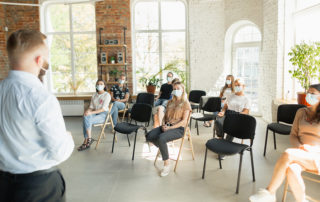
FW350 – Evening Workshop with Parents
This workshop provides parents with information and practical strategies designed to help their children achieve success at home and at school. Training Prerequisites: none Contact: (800) 424-9484 | [email protected] This workshop provides parents with information and practical strategies designed to help their children achieve success at home and at school. Topics include: Communication skills Discipline strategies Planning behaviors This workshop can be done in conjunction with training for teachers and staff. It provides parents access to the relevant information that teachers and staff received in their training to increase parent engagement in their child’s education.

FW375 – Motivation: How to Motivate Students to Increase Performance
Participants will develop an understanding of motivation theory and developing strategies for building motivation among students. Training Prerequisites: none Contact: (800) 424-9484 | [email protected] All people are born with intrinsic motivation and a natural tendency to seek challenges and opportunities to learn. This tendency operates robustly—under certain conditions. Explore the conditions that encourage intrinsic motivation to grow and thrive. Participants will gain a clear understanding of motivation theory and use it to develop strategies with a special focus on motivating under-resourced students. Use rewards productively to motivate students Develop individualized motivation plans Create positive classroom environments Build relationships of mutual respect Develop goal-directed student behavior, self-efficacy, self-awareness, and autonomy
B210 – Getting Ahead While Getting Out
The Purpose of the Getting Ahead while Getting Out Reentry Model is to provide citizens returning from incarceration and their families a comprehensive, community- and relationship-based approach to reentry that begins in pre-release and follows through with long-term support. Training Prerequisites: Bridges Out of Poverty: Strategies for Professionals and Communities and facilitator certification in Getting Ahead in a Just-Gettin'-By World Contact: (800) 424-9484 | [email protected] The United States imprisons more people than any other nation in the world. Rarely discussed, however, is that more than 90% of those prisoners will be released from state custody at some point. How do we help these returning citizens reintegrate when they come home? Based on the book Getting Ahead While Getting Out, this reentry model gives citizens returning from incarceration a community- and relationship-based approach that begins in pre-release and follows through with long-term support. In Getting Out, incarcerated individuals, their families, volunteers, community organizations, and people in corrections are problem solvers. They work shoulder to shoulder to create communities where everyone can live well. Participants will: Understand the philosophy of Getting Ahead While Getting Out Learn to work with corrections, offenders, returning citizens, and community organizations Prepare to run all 20 sessions of the [...]
B320 – Tactical Communication: Effective Interaction Tools for First Responders
This workshop offers first responders a set of tools that help control the scene, stay safe, and gain the cooperation and respect of people from all economic backgrounds. Training Prerequisites: none Contact: (800) 424-9484 | [email protected] Do you arrest the same people over and over again? How much of your time is spent interacting with people who are homeless? Are you a first responder looking to expand your skills? Look no further! Our Tactical Communication workshop offers you a game-changing set of tools that will not only help you take control of any situation but will also ensure your safety while helping you earn the respect and cooperation of individuals from diverse economic backgrounds. What will you gain from this training? Better information gathering Community control Improved communication This on-site workshop is based on the book Tactical Communication, which explores the hidden rules of social class. By attending this workshop, you’ll gain a deeper understanding of the nuances of each class, which will empower you to make a positive impact on every call while minimizing complaints. Join us on the journey toward safer communities and more successful first responder calls!

HH303 – Bridges to Health and Healthcare
The workshop includes a continuum of policy and practice critical to improving health among people living in poverty, addressing both individual patient care and population health. Training Prerequisites: none Contact: (800) 424-9484 | [email protected] Are you grappling with the challenge of patients making repeated visits to the emergency room? Do you find yourself prescribing medication to individuals who, unfortunately, never follow through with their prescriptions? What about those who never take the essential step of seeking primary care? We understand these dilemmas all too well, and that's why we are excited about our workshop—a solution designed to empower you with fresh insights into serving under-resourced patients. It's no secret that health-related issues are disproportionately prevalent among those living in poverty, and these issues contribute to substantial costs for communities, states, and our nation. Our workshop serves as a catalyst for delving into the economic realities of poverty, ultimately elevating your healthcare initiatives. Here's what's in store for you: A holistic approach that not only enhances the health of individuals living in poverty but also addresses both individual patient care and population health Evidence-based insights revealing the intricate connections between overall health and key determinants such as economic stability, education, [...]
HH500 – Bridges to Health and Healthcare Two-Year Trainer Certification
This is a new facilitator certification for health professionals who are currently certified Bridges Out of Poverty trainers. Training Prerequisites: Bridges Out of Poverty: Strategies for Professionals and Communities, Bridges Out of Poverty – Trainer Certification Contact: (800) 424-9484 | [email protected] Economic class is one of the biggest predictors of health outcomes. How can we adapt Bridges Out of Poverty concepts to improve health and healthcare for people in poverty? This trainer certification is for health professionals who are currently certified Bridges Out of Poverty trainers. It includes a health research continuum, case studies specific to health and healthcare, and health efficacy tables to increase capacity at the institutional and community levels. Specific slides, along with content and learning tasks for health professionals, are included. The certification also includes time for planning and developing a presentation suited to your health audience.
CAA100 – Understanding and Engaging Under-Resourced College Students
This workshop moves from understanding the what and why of under-resourced college students to developing how-to teaching and program-design strategies for success. Training Prerequisites: none Contact: (800) 424-9484 | [email protected] Do you have the privilege of guiding first-generation college students on their academic journey? Are there instances when your students struggle with sorting, planning, and completing classroom projects on time? Have you encountered students facing unique circumstances that lead them to sleep in their cars in the parking lot? We understand that institutions of higher learning face a diverse set of challenges, and we're excited to share with you our highly acclaimed workshop. Tailored specifically for faculty and staff at postsecondary institutions, this workshop offers a systematic, research-backed approach to increase retention and graduation rates. It focuses on supporting your most at-risk students while also addressing the needs of under-resourced students. Here’s a preview of what this transformative workshop includes: An exploration of comprehensive research, instruction, and training design that will provide you with an in-depth understanding of the daily environments some students navigate Innovative strategies designed to empower under-resourced students and help them excel in the classroom, on campus, and in their personal lives The untapped potential within [...]
CAA102 – Ready for College, Ready for Careers
This workshop is designed especially for P-12 and college professionals who help low-income middle and high school students prepare for college. Training Prerequisites: none Contact: (800) 424-9484 | [email protected] Students must prepare for college and careers long before setting foot on campus or interviewing for their first job. Advance preparation can make the difference between success and failure beyond high school—especially for students who are the first in the family to attend college. A better understanding of the environments from which under-resourced students come helps K–12 and college professionals foster student success. Prepare your under-resourced students for the worlds of college and work. Help them: Understand the hidden rules of college and the workplace Move from a concrete environment to one that is abstract and representational Envision a future story that includes higher education and satisfying employment Develop the necessary emotional, cognitive, and language resources to realize that future story

CAA105 – College Retention and Engagement: A Systems Approach
This workshop presents a systems approach to retention and graduation based on our field-tested constructs and best practices nationwide. Training Prerequisites: A Framework for Understanding Poverty, Understanding and Engaging Under-Resourced College Students, Investigations into Economic Class in America, Bridges Out of Poverty: Strategies for Professionals and Communities Contact: (800) 424-9484 | [email protected] Colleges and universities struggle with retention and graduation rates, especially for under-resourced and first-generation students. Nationally just one third of under-resourced students achieve a postsecondary certificate or degree within six years of enrolling. Six years to graduate 33%? These are numbers we can improve. Campuses have resources to help students, so why do they work for some students and not others? This systems approach to retention and graduation is based on field-tested constructs and best practices. Engaging learning environments prepare under-resourced students for campus and civic engagement. Help your students discover they are problem solvers and tackle tough issues on campus and in the community. Faculty, staff, and community members form actionable partnerships that address student needs and provide long-term support after graduation. Many model programs require significant grants or other funding to implement. College Achievement Alliance provides a flexible framework and action steps that can be implemented [...]
CAA200 – Investigations into Economic Class in America
This workshop prepares participants to offer the Investigations curriculum to under-resourced college students. Training Prerequisites: A Framework for Understanding Poverty, Ready for College, Ready for Careers, Understanding and Engaging Under-Resourced College Students, Bridges Out of Poverty: Strategies for Professionals and Communities Contact: (800) 424-9484 | [email protected] More students from poverty seek postsecondary education every year, but a mere 33% achieve a degree or certificate within six years of enrolling. This workshop prepares facilitators of Investigations into Economic Class in America, a curriculum for under-resourced college students. Participants explore the content, processes, and sequences in the Investigations text and develop facilitation skills that allow students to take on the role of knowledge creator. Benefits: Fundamentally different approach to entry-level student support strategies Trusts students to meet their own needs as they learn to better understand them, which generates transformational change Examines individual behaviors and political/economic systems that contribute to poverty The workshop also includes opportunities to address the needs of specific populations and build on institutional strengths.

CAA205 – How to Motivate Students to Increase Performance
Participants will develop an understanding of motivation theory and developing strategies for building motivation among students. Training Prerequisites: none Contact: (800) 424-9484 | [email protected] Human beings are born with intrinsic motivation. But our natural tendency to seek out challenges and opportunities to learn operates robustly only under certain conditions. Participants will develop a clear understanding of motivation theory and strategies for fostering intrinsic motivation among students, especially under-resourced students. Benefits: Improve long-term student achievement Create productive classroom and campus environments Build relationships of mutual respect Students develop goal-directed behavior, self-awareness, and autonomy You’ll also learn how student background affects motivation, how to use rewards productively, and how to develop individualized motivation plans.
CAA210 – Principles of Effective Pedagogy in the Classroom and on Campus
This workshop is designed to equip college instructors, administrators, and staff with an enhanced understanding of principles of effective pedagogy for all students Training Prerequisites: none Contact: (800) 424-9484 | [email protected] Many who teach in higher education are experts in their fields, but teaching effectiveness requires subject knowledge and teaching skills. Expertise is just one critical component. What is the other critical component? Pedagogical ability. Many “informal teachers” on campus—administrators, staff, advisors—are experts in their areas and in the hidden rules of campus. However, they need pedagogical ability—the ability to share information effectively with students—if they are to help students succeed. Topics include: Achievement-based and relationship-driven instruction Development of resources for struggling students Clear strategies for input skills, student engagement, and improved outcomes This workshop equips college instructors, administrators, and staff with an enhanced understanding of pedagogy. Includes additional principles specific to under-resourced students and a plan to apply effective pedagogy in daily work.

CAA400 – Strategic Consulting
Strategic Consulting for Higher Education is tailored to the needs of the individual college or university and is designed to help guide faculty and staff to more effectively serve under-resourced college students. Training Prerequisites: A Framework for Understanding Poverty, Understanding and Engaging Under-Resourced College Students, Bridges Out of Poverty: Strategies for Professionals and Communities Contact: (800) 424-9484 | [email protected] Strategic consulting for higher education is tailored to the needs of your institution. Help faculty and staff serve under-resourced college students more effectively. With the guidance of an aha! Process consultant, participants develop four streams of knowledge: economic class in higher education; institutional mission and culture; participants’ experience; and principles of change. Benefits: Increased retention and completion rates Enhanced culture and climate for students, faculty, and staff New community partnerships Collaborate to develop new strategies, policies, and procedures that improve outcomes for under-resourced students. Institutions develop a plan for change, establish concrete timelines, assign responsibilities, and determine and measure outcomes.
CAA500 – Trainer Certification
Prepare individuals to present the information from Understanding and Engaging Under-Resourced College Students (URCS) to faculty and staff in their own colleges and universities. Training Prerequisites: Understanding and Engaging Under-Resourced College Students Contact: (800) 424-9484 | [email protected] Under-resourced students in higher education are problem solvers with ideas that move the needle in the right direction. How can faculty, staff, and administrators better understand under-resourced student views and implement responses? This workshop prepares you to present the information from Understanding and Engaging Under-Resourced College Students to administrators, faculty, and staff at your institution. The training presents a systemic, research-based approach to improving retention and completion rates for students at the highest risk of attrition. In-depth research and instructional materials prepare you to provide ongoing training to faculty and staff. Participants will: Understand challenges and strengths students from poverty bring to campus. Explore strategies for success in the classroom, on campus, and in life. Share tips and tactics for creating an environment of support. Harness the potential of under-resourced students to effect positive change. Certified trainers receive monthly trainer tips, newsletters, online support, free shipping, and discounts on some bulk orders.

B100 – Bridges Out of Poverty: Individual Lens
Join us in making a profound impact on individuals and communities by mastering the Bridges Out of Poverty concepts. Empower those in need to build a better future, one step at a time. Bridges Out of Poverty will not only help you understand that reality, but it will also give you institutional and community strategies. Bridges Out of Poverty is a comprehensive approach to understanding the dynamics that cause and maintain poverty, from the individual to the systemic level. Bridges uses the lens of economic class and provides concrete tools and strategies for a community to prevent, reduce, and alleviate poverty. Participants of this workshop will: Examine the resources by which you create stability Discover the causes of poverty Create and analyze mental models of economic environments Discover the hidden rules of economic classes Analyze language and story structures Discuss stability within family and support systems and the importance of building social capital Learn new tools and strategies for improving relationships and outcomes This training assists community organizations, social service agencies, employers, and individuals in gaining insight and strategies to ultimately create stability for all. Prerequisites: None Contact: (800) 424-9484 | [email protected]
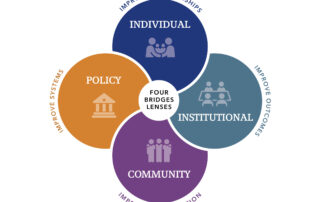
B105 – Bridges Out of Poverty: Institutional Lens
Bridges Out of Poverty uses the lens of economic class and provides concrete tools and strategies for a community to understand, address, and alleviate poverty. This workshop is a comprehensive approach for organizations to take the next step in applying the Bridges concepts more broadly for improved outcomes and systems. For best results, participants will have been trained in and will be applying the learning from the Bridges individual lens. It is recommended that all levels of the organization attend the Bridges Out of Poverty Institutional Lens workshop together. Participants in this workshop will: Examine their organizational customer life cycle Discover their organizational theory of change Analyze the overall benefits of using a motivational approach Review programs, services, policies, and procedures using the Bridges institutional lens Learn how to retrofit their organizations with the Bridges Institutional lens moving forward This training assists community organizations, boards, funders, leaders, and front-line staff in gaining insight and strategies to create stability and improve outcomes for all. Prerequisite: Bridges Out of Poverty Individual Lens workshop Contact: (800) 424-9484 | [email protected]
B110 – Bridges Out of Poverty: Community and Policy Lens
This workshop explores how to become a Bridges community, how to work with all sectors and economic classes, and how to create a steering committee. The individual and institutional lenses covered in the first two Bridges workshops are used to inform the third Bridges workshop, which looks toward building a sustainable Bridges community. Attention is given to the types of leaders needed for the initiative. Participants will look at advocating for policy change at the local, state, and federal levels. Highlights of this workshop include: Beginning with the end in mind Engaging the community The Getting Ahead series and methodology Getting Ahead evaluation results and CharityTracker outcomes Staying ahead programs Identifying cocreatorrs, catalysts, and backbone organizations Creating a Bridges steering committee Building awareness and finding funding The joy of working across class lines Rankism, transformation relationships, and false generosity Building a Bridges collaborative Criteria for becoming a Bridges community The joy of politics and policy change Overcoming political barriers Criteria for effective advocacy Training Prerequisites: Bridges Out of Poverty: Individual Lens workshop Contact: (800) 424-9484 | [email protected]

B115 – Navigating Emotional Realities with Adults
One of the leading causes of people quitting their jobs is workplace stress and the impact it has on the mental health of employees. For individuals, the experience of starting and quitting jobs is in itself stress-producing. For employers and HR managers, the difficulties with employee retention contribute to increased costs and decreased productivity. Navigating Emotional Realities with Adults is a workshop that explores the emotional functioning of adults in a workplace setting. Accessing current neuroscience information and applying it in the context of the high-paced, stress-filled world in which we are all living and working will assist individuals in better understanding their own emotional experiences in the workplace. It will also help staff understand the emotional and relational dynamics they encounter at work and supply individuals, staff, and HR/personnel managers with strategies and tools to assist in developing a workplace that supports the mental health of all employees—a key factor in retention and productivity. Among the concepts included in the workshop are: The neuroscience of emotional development and relational functioning Ways to be aware of and promote a safe work environment Understanding adult stages of development and how they impact the workplace Recognizing generational patterns in relationships with co-workers Conflict resolution [...]

B125 – Economic Development That Benefits Everyone
How do communities with higher levels of poverty reach their development goals? Economic Development That Benefits Everyone looks deeper into this and more, including: Resourced vs. under-resourced communities The role of community and economic development in poverty reduction Understanding the causes of poverty How a community creates upward mobility Who Would Benefit from This Workshop City and county government leaders and staff Chamber of commerce professionals Economic development professionals Workforce development professionals Bridges Out of Poverty communities Additional community development organizations that would benefit from the workshop include: neighborhood development organizations, business incubator programs, entrepreneurship centers, small business development centers, industrial development corporations, local redevelopment corporations, main street districts, and more. Key community stakeholders that would benefit include educational institutions, healthcare systems, businesses, entrepreneurs, developers, agencies, and nonprofits. Mary Cacioppi, the trainer, has more than 22 years of combined experience in community development, economic development, and poverty reduction. She is the founder and CEO of Bridges to Prosperity Northern Illinois. Click here for her full bio. Prerequisites: None Contact: (800) 424-9484 | [email protected]
B200 – Getting Ahead in a Just-Gettin’-By World: Facilitator Training
Getting Ahead in a Just Gettin’ By World is a curriculum that supports people in poverty as they create their own plan for stability. Training Prerequisites: Bridges Out of Poverty: Strategies for Professionals and Communities Contact: (800) 424-9484 | [email protected] The powerful Getting Ahead curriculum shares Bridges Out of Poverty concepts directly with people in poverty. Trained facilitators help people develop their own plans for stability in this 16-session experience. Certified facilitator training emphasizes the importance of participants—called “investigators”—learning on their own. The co-investigative process uses a self-assessment and other tools to build financial, emotional, and social resources by exploring the impact of poverty in participants’ lives. Gain insights and strategies from graduates and seasoned Getting Ahead facilitators. You’ll be certified to: Facilitate Getting Ahead groups Prepare graduates to become certified to facilitate future groups Help bring valuable relationships and living-wage jobs within reach by directly teaching the hidden rules of economic class. The Getting Ahead process does not provide answers, nor does it make the argument for change. Motivation, insight, and planning come from the participants themselves. Increase your community’s stability by facilitating this process of self-discovery and change.

B250 – Bridges Across Every Divide
In this workshop, you will learn and practice many techniques/exercises that will help you leave the past behind and find ways to enjoy your present life. Training Prerequisites: none Contact: (800) 424-9484 | [email protected] Without a common language and an accurate understanding of poverty, there is little hope of developing a comprehensive approach to such a complex problem. Bridges Across Every Divide offers up both a common language and an accurate understanding of poverty, along with a process for policy solutions in a harsh political environment. The workshop also provides insight into why politics is so divisive. The lack of connection is what is driving people in the U.S. to embrace politicians who offer facile solutions to complex problems, especially poverty and economic development. This workshop offers clear solutions to complex problems and shows political leaders and citizens alike how to achieve them. The workshop also provides policy development guidelines designed to help initiatives succeed, and it explains those cryptic allusions.

B350 – Loving Your Neighbor as Yourself: Called, Equipped, Sent
Those who are of the Christian faith know that the “greatest commandment” in the Bible is to love your neighbor as yourself and to love God. But what does “loving your neighbor” really mean? A new workshop, Loving Your Neighbor as Yourself, is based on ideas in a new book by the same title and authored by Ruby Payne and Vern Reed. With a focus on helping those who are under-resourced, workshop participants will examine what the Bible says about “orphans and widows,” why relationships are a requirement for loving one’s neighbor, the importance of mental models and hidden rules, and how to apply at church what they learn in the workshop. Workshop participants will learn more about the causes and effects of poverty, and they will find out why helping those who need it most is at the heart of the Christian faith. Even more importantly, they will learn how to help those who are in need. Prerequisites: None Contact: (800) 424-9484 | [email protected]
B400 – Strategic Consulting
An experienced national consultant will come to your location to help you jumpstart your Bridges initiative and strategize your comprehensive approach to reducing poverty. Training Prerequisites: Bridges Out of Poverty: Strategies for Professionals and Communities Contact: (800) 424-9484 | [email protected] You’ve been trained in Bridges in Out of Poverty. Now what? Bring stakeholders to the table with an experienced consultant to determine your next steps. You and the consultant will plan an agenda for the strategic consulting day tailored to your community and organizational needs. The goal is to attract decision makers from all sectors and economic classes to map a route to community sustainability. The first half of the day reviews Bridges constructs and any work that has already taken place in the community. The second half of the day is a facilitated discussion with stakeholders to set goals, plan further action, and discuss ways to expand the work in the future. Related/supplemental material:
B500 – Trainer Certification
Host a Bridges Out of Poverty workshop at your location to share these powerful constructs. Training Prerequisites: Bridges Out of Poverty: Strategies for Professionals and Communities Contact: (800) 424-9484 | [email protected] Want to present the Bridges Out of Poverty material to people in your organization? Prepare with in-depth work on the Bridges Out of Poverty and Applying Bridges Concepts seminars. Includes comprehensive research and training materials. Gain a deeper understanding of Bridges strategies and processes while: Developing poverty reduction strategies Tailoring Bridges strategies to your organization’s needs Networking with others passionate about ending poverty As a certified trainer you will receive monthly trainer tips, online support, free shipping, and discounts on bulk orders. Extend the Bridges community of practice to include your organization. Become a Bridges certified trainer today. Related/supplemental material:
B310 – Hidden Rules of Class at Work
This workshop provides tools to communicate effectively and understand the motivations of staff who may be coming from a poverty perspective. Training Prerequisites: Bridges Out of Poverty: Strategies for Professionals and Communities Contact: (800) 424-9484 | [email protected] In order to work effectively with low-wage and entry-level workers, supervisors and managers must understand the motivations of people coming from the environment of poverty. Reduce turnover, increase productivity, and assess employee strengths to build resources for employees—and for the business. Participants will understand how the levels of an organization reflect the hidden rules of class. Economic class affects opportunities to develop resources, and employees may need help developing skills necessary for promotion to the next level. Tools to determine training budgets and targets simplify this process. This workshop is based on assessments of the resources of people recently promoted in the workplace. Do you know which resource was present in every case? Hear the answer in this workshop!
BU100 – Workplace Stability
The level of stability among your employees adds another layer of stability to your workforce. Personal instability among low-wage workers can lead to absenteeism, health-related challenges, and violations of workplace standards, all of which contribute to reduced morale, decreased focus on tasks, and lower job performance. There's no denying that enhancing worker stability directly influences your organization's productivity, employee retention, and overall morale. The crucial question is, why should employers prioritize the personal and professional stability of their workforce, and what are the effective strategies to achieve it? In the Workplace Stability workshop, you'll have the flexibility to learn at your own pace and on your own schedule. By participating in the workshop, you will: Gain insights into the complex factors contributing to employee instability. Discover the intricate connection between instability, employee performance, and profitability. Unearth powerful, cost-effective techniques and strategies to promote workplace stability. Elevate your organization's stability, and witness the remarkable rise in productivity and profitability. Contact: (800) 424-9484 | [email protected]
BU100 – Workplace Stability Training
This workshop will provide the knowledge and tools for employee retention and performance in an economically diverse workforce. Training Prerequisites: none Contact: (800) 424-9484 | [email protected] Instability is another measure of diversity in your workforce. Low-income environments are a major contributor, and low-wage employees often experience the “tyranny of the moment” brought on by problems with resources like transportation, healthcare, childcare or eldercare, housing, language or communication, or managing financial or legal matters. It might be one of these, or it might be “all of the above.” Not your problem, you might say, and you may be right—you’re in business to make money. But creating workplace stability by helping your employees build resources makes business sense. Employee instability creates business instability and eats away at the bottom line. Learn simple, inexpensive solutions you can implement to help stabilize your employees’ lives—and boost your profitability and competitive advantage. Participants in the Workplace Stability professional development training will explore a breakdown of the cost of employee attrition—as high as $11,000 per lost employee for some businesses—before moving on to best practices that boost employee retention. From improved recruiting and onboarding processes to promoting valuable employees from within, Workplace Stability covers every [...]

BU210 – Getting Ahead in the Workplace: Facilitator Training
Training Prerequisites: Bridges Out of Poverty: Strategies for Professionals and Communities and facilitator certification in Getting Ahead in a Just-Gettin’-By World Contact: (800) 424-9484 | [email protected] People sometimes feel trapped in poverty because employment is unsteady and promotion into a living-wage job is just out of reach. Getting Ahead in the Workplace is a path to stable employment based on community and relationships. Engage low-wage employees, their families, and volunteers as problem solvers working shoulder to shoulder to create communities where everyone can live well. Certified facilitators help under-resourced individuals: Stabilize and take charge of their lives Develop mental models to investigate poverty’s impact on themselves and their communities Self-assess their resources and create future stories that build them up Certified facilitators receive supplemental PowerPoint slides and personalized follow-up coaching. Click the link to learn more about the prerequisite Getting Ahead in a Just-Gettin’-By World certified facilitator training.
BU400 – Strategic Consulting
An experienced national consultant will come to your location to help you jumpstart your Bridges initiative and strategize your comprehensive approach to reducing poverty. Training Prerequisites: BU100 - Workplace Stability Training Contact: (800) 424-9484 | [email protected] You’ve been trained in Workplace Stability. Now what? Bring your executive team to the table with an experienced consultant to determine your next steps. You and the consultant will plan an agenda for the strategic consulting day tailored to your business needs. The goal is to have all teams and departments participating to map a route to increased employee retention, productivity, and net income. The first half of the day reviews Workplace Stability constructs and any work that has already taken place within the business operations. The second half of the day is a facilitated discussion with attendees to set goals, plan further action, and discuss ways to expand the work in the future.